


How to Brew Kombucha with Loose Leaf Tea
Learn how to brew kombucha with loose leaf tea: the best black and green teas, exact ratios per gallon, step-by-step fermentation and easy…
Country, language & currency
or
The Tea Journal · Black Tea · Chai & Lattes
By the Tealyra Tea Team · · 5 min read

In short: Karak tea (chai karak) is the strong, sweet, milky cardamom tea of the Arabian Gulf, brewed on the stovetop rather than steeped in a cup. To make it at home, simmer 2 heaped teaspoons of a bold Assam black tea with 4-5 crushed cardamom pods in 250 ml of water for 5 minutes, add 250 ml of milk and 2-3 teaspoons of sugar, simmer for another 5 minutes until it turns a deep caramel colour, then strain into small glasses. It is as much a part of a Doha or Dubai morning as a flat white is in Melbourne.
"Karak" simply means "strong" in Hindi and Urdu, which tells you where the drink comes from: South Asian workers brought their masala chai habits to the Gulf states in the mid-20th century, and the local version settled on fewer spices, more cardamom, a lot of milk and plenty of sugar. Today it is sold from roadside cafeterias across the Gulf, and it is easy to recreate in an Australian kitchen with a saucepan and the right tea.
Karak is a small recipe with big flavour, so each ingredient does a lot of work.
That is all. No tea bags, no syrup, no blender.
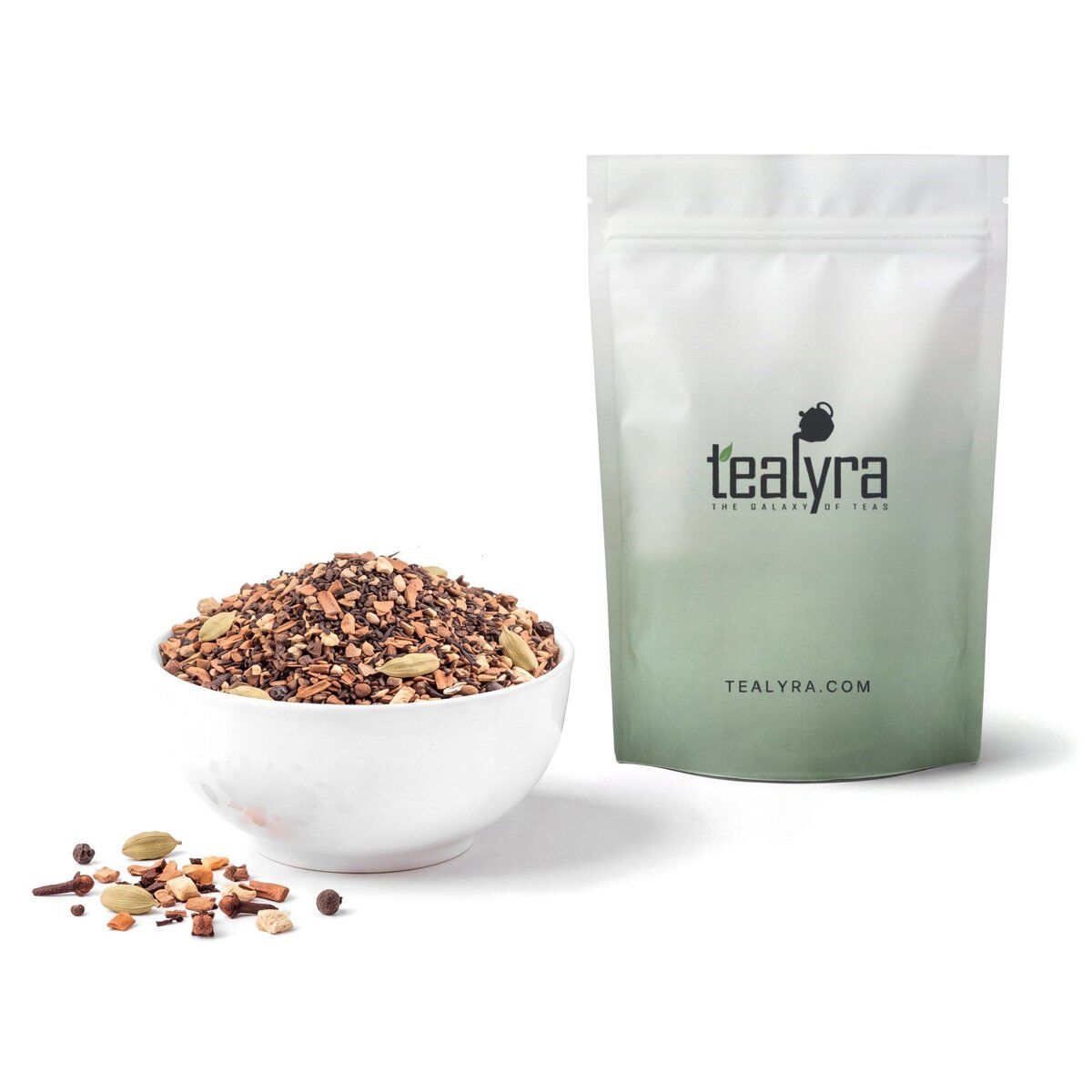
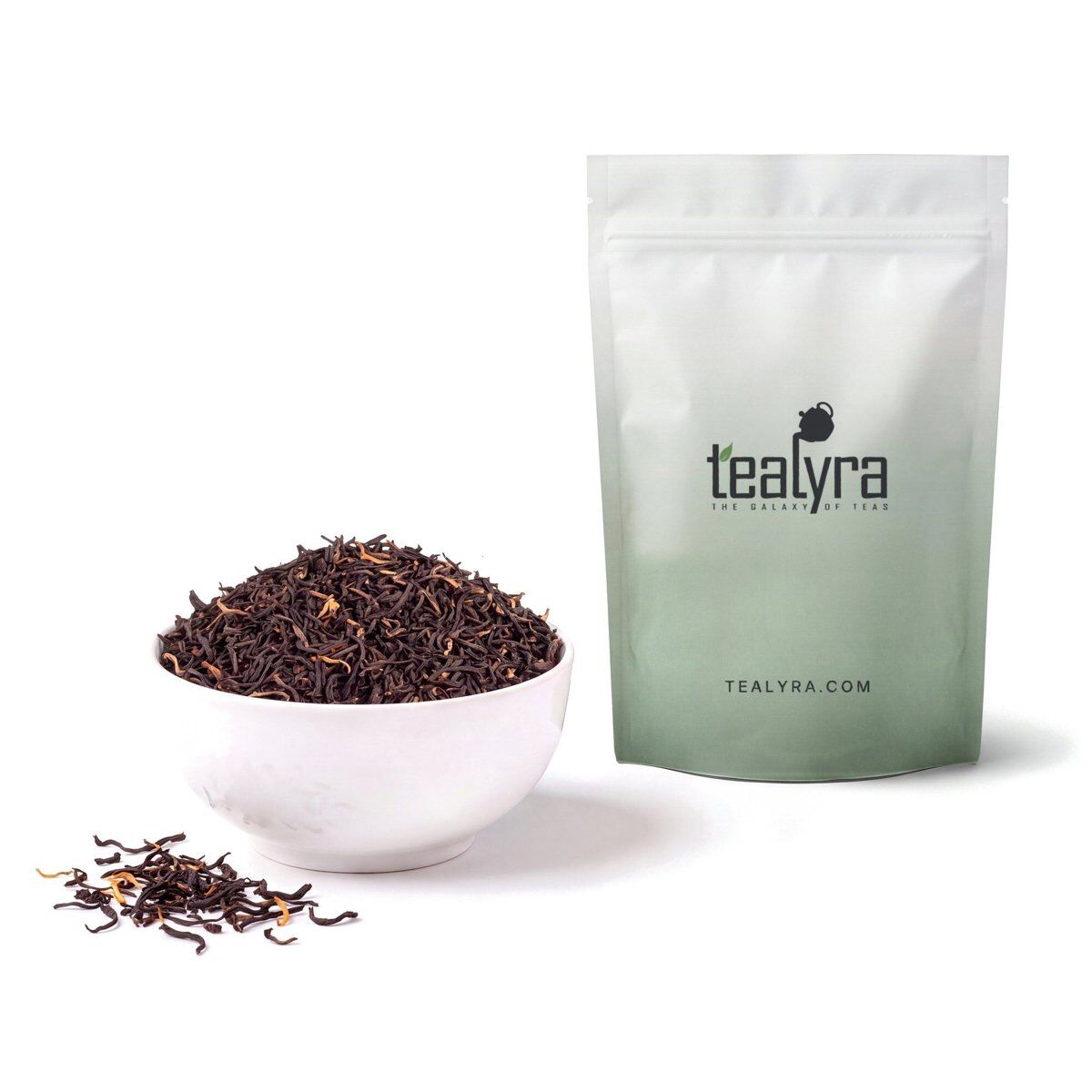
The tea makes or breaks karak. Delicate Darjeeling or Ceylon disappears under the milk, while a strong Assam gives the deep amber colour and the malty backbone that defines the drink. Three good options from our black tea range:
| Tea | Style | Why it works for karak |
|---|---|---|
| Assam Mangalam | CTC Assam | Small granular leaf, brews fast and very strong; closest to the tea Gulf cafeterias use |
| Assam Khagorijan Strong | Broken-leaf Assam | Deep, full-bodied and malty; holds its own with milk and sugar |
| Traditional Masala Chai | Assam with cardamom, cinnamon and ginger | Spices already in the blend; add 2 extra cardamom pods for a Gulf-style cup |
If you already keep a spiced blend from our chai tea collection, use it instead of plain Assam and simply push the cardamom harder.
Total time is about 12 minutes. For four glasses, double everything and use a larger pan; the simmer times stay the same.
| Glasses | Assam | Cardamom | Water | Milk | Sugar |
|---|---|---|---|---|---|
| 2 | 2 heaped tsp (5 g) | 4-5 pods | 250 ml | 250 ml | 2-3 tsp |
| 4 | 4 heaped tsp (10 g) | 8-10 pods | 500 ml | 500 ml | 4-6 tsp |
| 6 | 6 heaped tsp (15 g) | 12-15 pods | 750 ml | 750 ml | 6-9 tsp |
All three are spiced, milky black teas, but they are not the same drink. Masala chai, from India, uses a wider spice mix (cardamom, ginger, cinnamon, cloves, black pepper) and is often a touch lighter. Karak narrows the spices down to cardamom, sometimes with saffron, and is brewed stronger, sweeter and milkier. A café chai latte is usually a spiced concentrate or powder topped with steamed milk, so it is creamier and softer, with the tea itself playing a smaller role. If you love a chai latte but wish it tasted more of tea, karak is the answer.
You can, with 2-3 strong breakfast-blend bags per 250 ml of water, but loose Assam gives a deeper colour and a rounder, maltier taste because there is more leaf and more surface for the long simmer.
Either the tea was too light or the first boil was too short. Use a bold Assam, let the water-and-tea stage simmer for a full 5 minutes until it is nearly black, and keep the milk simmering for another 5 minutes.
Yes. Oat milk is the closest in body and does not split. Add it off the heat and warm gently rather than boiling hard, and expect a slightly lighter colour.
Roughly 40-60 mg per 250 ml glass, similar to a cup of ordinary black tea, because the long simmer extracts more from the leaf than a quick steep.
It is best fresh, but you can brew a batch, keep it in the fridge for up to two days and reheat gently on the stove without boiling. Stir well before pouring, as the milk settles.
Learn how to brew kombucha with loose leaf tea: the best black and green teas, exact ratios per gallon, step-by-step fermentation and easy…

Orange pekoe is a grade of whole black tea leaf, not a flavor. Learn what OP, FOP, TGFOP and BOP mean, how grades affect taste and how to…

Turkish tea is strong black tea brewed in a two-tier çaydanlık and served in tulip glasses. How to brew it at home, how strong to make it…